

surviving corporate as a creative
artistic girls in white collar world (part 1)

The people I admire most in my periphery are not quite Anthony Bourdain’ing at a coffee shop at 3PM on a Tuesday or brainstorming concepts of a plan – they’re clocking in at the office or jumping in and out of a meeting. Just how many of us writers (or artists, designers, musicians) are dividing our time between an office job and our own creative practice? And how many are ashamed to admit we’re not handling things very well, time management or general misalignment? As far as I’m concerned, they haven’t dropped the playbook for artistic girls in white collar world yet.
In a utopia, the apparatus of my life lets me pour all of me into creative domains without emotional, structural, or financial concerns, and all of my daily tasks are so locked in sync, streaming upward into a unified vessel, that I never have to think twice. But in a utopia we aren’t, and my weeks are held up by hefty 40 hours dedicated to serving somebody else’s enterprise – tied to bills, obligations, being on a work visa, and a myriad of other challenges stacked up. Creative practices don’t pay… until they do. But it takes time and a lot of luck to get there. In the meantime, I remain a proud desk warrior.
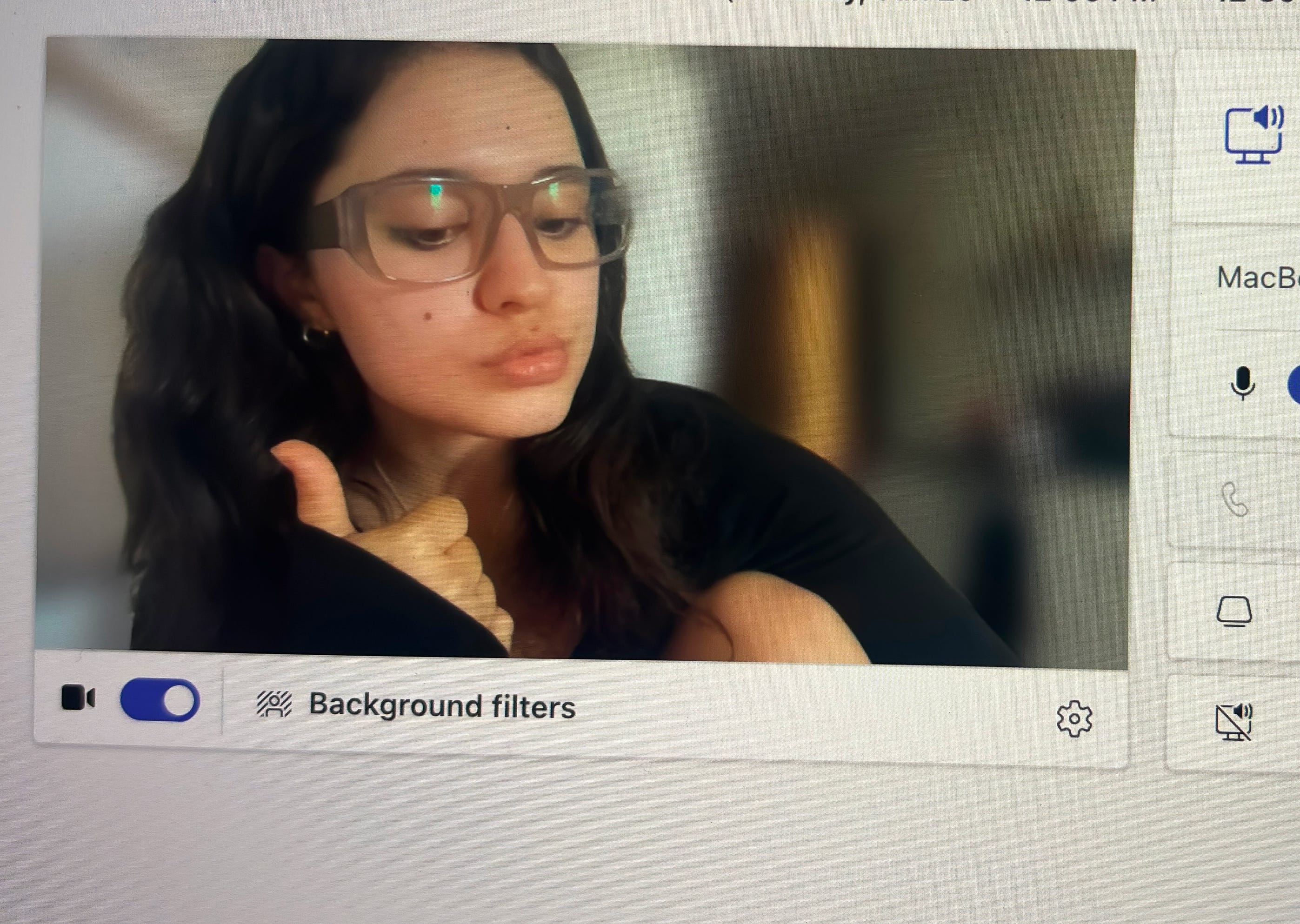
Getting two things out of the way: I understand that holding a white collar position is a sexy privilege not everyone is able to attain (in this economy!!); I’m also acutely aware that the ultimate goal, for me, is going the entrepreneurial creative route, and to weave my practice on my own terms, not just bite off fractions of it for ownership, breadcrumbing myself with free time.
Primarily floating in the tech (SaaS/B2B) bubble for most of my professional life, I’ve specialized in content and brand marketing, and the job titles I’ve held are prolifically ranging from copywriter to content manager and brand strategist. While not entirely devoid of creativity, tech didn’t exactly feel right, as I was actively pushing products I didn’t believe in. Being a creative must mean operating under a unified value system, I thought, and made a big shift by leaving tech and going into the beauty industry, in hopes that selling something slightly more aligned with my personal interests and an affinity for tangible aesthetics instead of yet another AI-powered tool would make me happier. This has proven to be true, and while I definitely sense a less fragmented, more creative day-to-day reality, it doesn’t override my dissatisfaction and resentment towards not owning my time in the first place, as well as the reduced brain capacity to pour into myself that comes with it. More than that, navigating corporate politics when you’re not wired to operate with a permanent kind regards on your forehead takes a toll.
The good news is it’s not all that bad. The bad news is it’s not that simple.
This will be a two-part exploration of making the most of your situation if you, like me, are employed and sailing your way in the idiosyncrasy of pursuing creative projects without opting out of stable employment – with the exit plan of opting out in the end. I’ve huffed and puffed, I’ve dwelled on it, I’ve been ashamed and I’ve been frazzled, I’ve pulled my best practices together, and I’ve even asked my favorite fellow working writers to share their thoughts.
I’m paywalling both parts due to the very obvious risks of being read by the people I have worked with in the past or work with currently.
feeling the weight of a split personality
Creative people have big egos – it’s what makes our work interesting. Egos are sanctioned in the workplace. Creatives tend to isolate; we’re sensitive and hyperaware. In the office, small talk and no hard feelings are prerequisites for survival, and the less you know the better. But the body needs equilibrium. What now? Severance time?
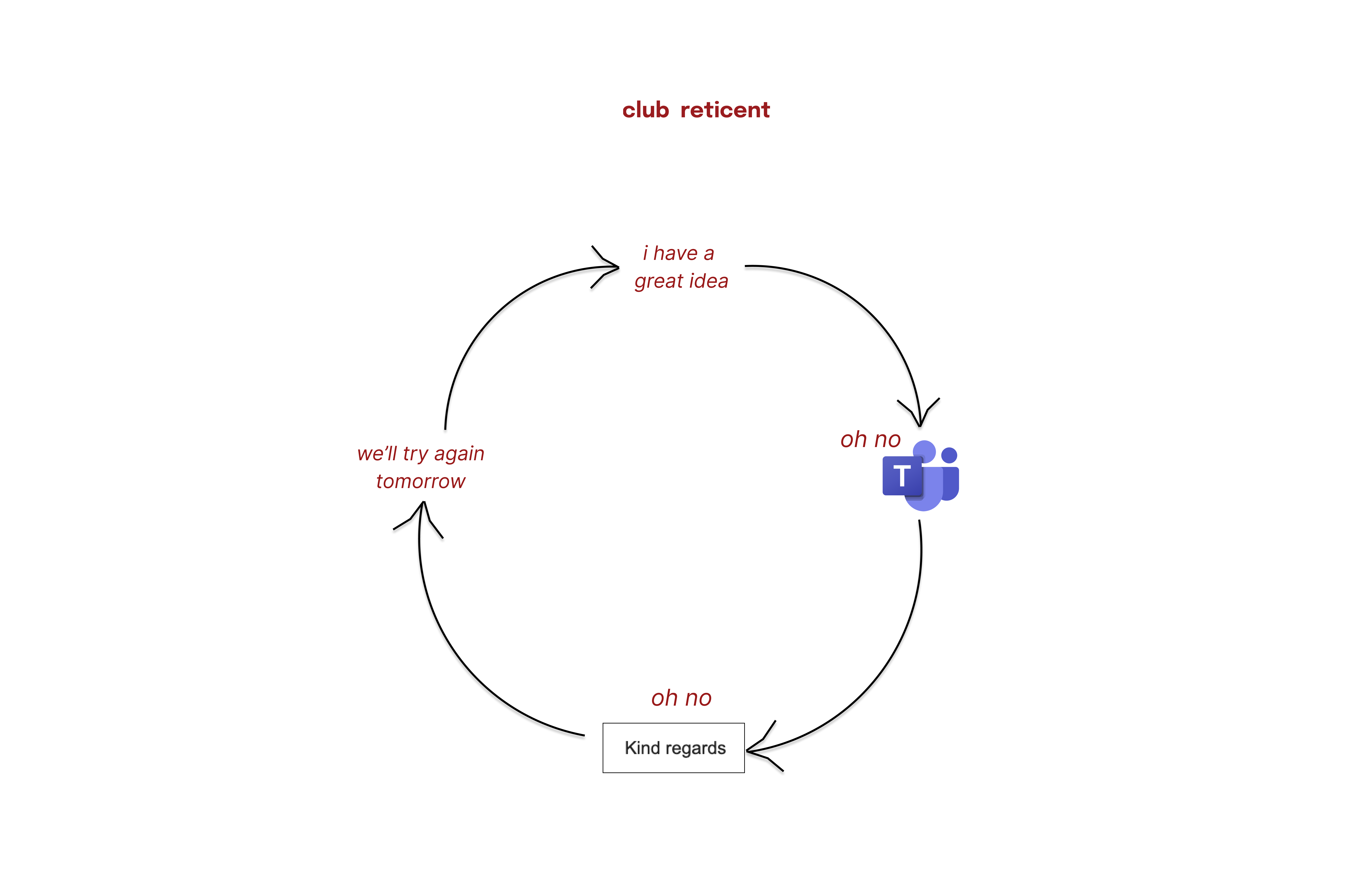
I remember feeling awfully low -near offended- having to log into my work email the day after hosting a reading night in New York. The cognitive dissonance was throwing me off a cliff: what do you mean people were gathered in a room to spend time with me and my work yesterday, and now Tiffany is passive-aggressively looping in my manager in CC because I happened to overlook an email? There will always be an element of the two realities not matching up – especially as your creative project(s) starts to flourish and the self-growth you feel is undeniable and true, but at the end of the day, Monday to Friday, you are still somebody’s very replaceable, average employee. Learning to switch the ego on and off to balance between having agency and having a boss is essential – otherwise, the brain cannot compute why you’re the master of your fate in one domain and a slave to the system in the other.
Humility, like anything, is a learned skill. I’ve stopped fighting the feeling, instead focusing on holding that tension and utilizing it in creative work in every way I can. It’s good to remember that most of this discomfort is self-imposed and internal – the brain is actually great at multitasking and switching between various roles, and learning to double down on your corporate soft skills can come in handy in the future and fuel your creative practice when the time is right and you’re the one calling the shots. People management and professional relationship building, whilst teeth-grittingly annoying, go a very long way. And if I’ve learned anything, it’s that life is kind of one very long email thread.
the power of doing just enough
Not all effort is created equal, and there isn’t a way to give everything your all unless you’re ready to drive yourself permanently crazy. Plus, an entrepreneurial do-or-die mindset doesn’t apply in corporate – more often, it’s about upholding a role to prevent collapse more than doing the heavy lifting. A terrifying prospect for creatives tinged with perfectionism in its terminal stage, because the idea of doing anything with less than 100% effort is inconceivable – and cutting corners would automatically classify you as bad, mediocre, and disappointing. Chances are, overperforming is your status quo, so it’s time to accept that doing enough to get the work done and tasks flowing is acceptable.
Keep reading with a 7-day free trial
Subscribe to club reticent to keep reading this post and get 7 days of free access to the full post archives.